Back Pain Treatment

Our teams are professionally trained to provide you with the highest standard of treatments and services, so every time you visit, you leave with a positive experience.


Back Pain Treatment | Lower Back Pain Relief | Allied Pharmacies

Back pain is one of the most common health problems in the UK, affecting millions of people every year. According to the NHS, most cases of back pain are not caused by a serious condition and will usually improve within a few weeks with the right care and treatment.

However, back pain can significantly affect your daily life, making it difficult to work, sleep or carry out everyday activities. If over-the-counter remedies are not helping, or you need professional advice on managing your symptoms, Allied Pharmacies can help.

Our trained pharmacists can assess your back pain, recommend appropriate treatment and refer you to a GP or specialist if needed — all without a prior appointment at many locations.

Use the postcode search below to find your nearest Allied Pharmacy offering back pain treatment.


What Causes Back Pain?

Back pain can have many different causes. The NHS states that in most cases, back pain is caused by a minor strain or sprain and is not the result of a serious underlying condition. Common causes include:

  • Muscle or ligament strains from lifting, twisting or overstretching
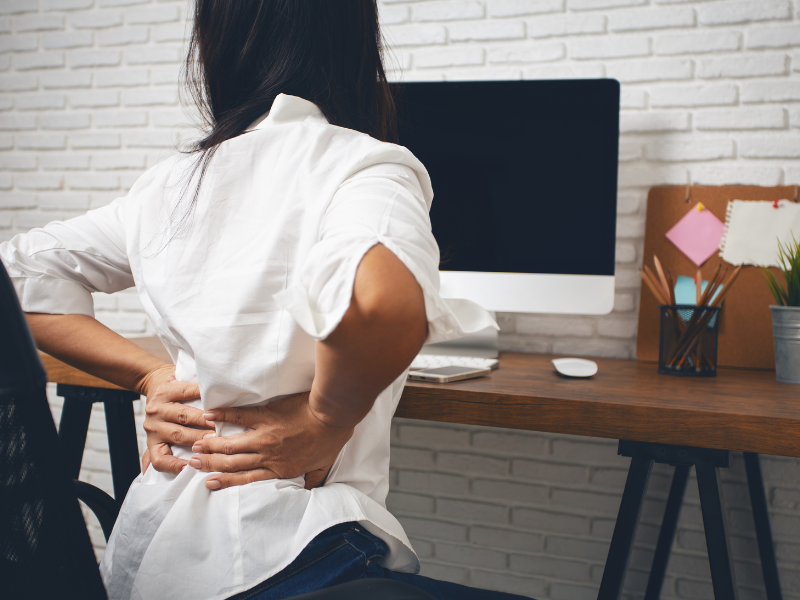
  • Poor posture, particularly from sitting at a desk for long periods
  • Lack of physical activity or sudden increases in exercise
  • Stress and tension, which can cause muscles to tighten
  • A slipped (herniated) disc, where the soft tissue between the vertebrae pushes out
  • Sciatica, where the sciatic nerve becomes irritated or compressed, causing pain that radiates down the leg
  • Arthritis or age-related wear and tear of the spine

In many cases, no specific cause can be identified. This is known as non-specific back pain and is the most common type.


Symptoms of Back Pain

Back pain symptoms can vary depending on the cause and severity. You may experience:

  • A dull, persistent ache in the lower back
  • Sharp or stabbing pain, particularly when moving, bending or lifting
  • Stiffness and reduced range of movement in the back
  • Muscle spasms or tightness
  • Pain that radiates down one or both legs (this may suggest sciatica)
  • Difficulty standing up straight or sitting comfortably

Most back pain improves within a few weeks. The NHS advises staying as active as possible and continuing with your daily activities, as prolonged bed rest can actually make back pain worse.


When to Seek Medical Advice for Back Pain

While most back pain is not serious, the NHS advises seeing a GP if:

  • Your back pain does not improve after several weeks of self-care
  • The pain is preventing you from carrying out normal daily activities
  • The pain is getting progressively worse over time
  • You experience unexplained weight loss alongside back pain
  • There is a lump or swelling in or around the back
  • The pain is worse at night or when resting
  • The pain started after a serious injury or accident

You should call 999 or go to A&E immediately if you experience numbness or tingling in both legs, loss of bladder or bowel control, or numbness around the genitals or buttocks. These may be signs of a serious condition called cauda equina syndrome that requires urgent treatment.


Self-Care Tips for Back Pain

The NHS recommends the following self-care measures to help manage back pain at home:

  • Stay active — gentle movement and walking can help ease stiffness and speed up recovery. Avoid prolonged bed rest
  • Apply an ice pack wrapped in a towel to the painful area for up to 20 minutes at a time to help reduce inflammation
  • Use a heat pack or hot water bottle to ease muscle stiffness and spasms
  • Take anti-inflammatory painkillers such as ibuprofen (if suitable for you) to help reduce pain and swelling. The NHS notes that paracetamol alone is not recommended for back pain
  • Try gentle stretching exercises, yoga or pilates to improve flexibility and strengthen the muscles that support your back
  • Maintain good posture when sitting, standing and lifting
  • Sleep on a firm, supportive mattress

If your symptoms persist or worsen despite self-care, your pharmacist can advise on stronger treatment options or refer you to a GP.


Back Pain Treatment Options

Depending on the severity and cause of your back pain, a range of treatments may be recommended:

  • Over-the-counter painkillers — ibuprofen, naproxen and co-codamol can help manage mild to moderate pain. Your pharmacist can advise on the best option for you
  • Topical pain relief — gels and creams containing ibuprofen or diclofenac can be applied directly to the affected area
  • Prescription medication — for more severe pain, your GP or independent prescribing pharmacist may prescribe stronger painkillers or muscle relaxants
  • Physiotherapy — exercises and manual therapy to improve movement, strengthen muscles and reduce pain
  • Lifestyle changes — regular exercise, weight management and ergonomic adjustments at work can help prevent back pain from returning


How the Back Pain Treatment Service Works at Allied Pharmacies

Getting help for back pain at Allied Pharmacies is quick and convenient.

  • Consultation — your pharmacist will ask about your symptoms, how long you have had them and any activities that may have triggered the pain
  • Assessment — based on your symptoms, your pharmacist will determine whether pharmacy treatment is appropriate or if you need to be referred to a GP
  • Treatment — if suitable, your pharmacist will recommend or supply appropriate pain relief medication and provide advice on self-care and recovery
  • Referral — if your symptoms suggest something more serious, or if treatment has not helped, your pharmacist can refer you to your GP for further investigation


Why Choose Allied Pharmacies for Back Pain Treatment?

  • No appointment needed at many locations — walk in for advice and treatment
  • Trained pharmacists who can assess your symptoms and recommend treatment
  • Wide range of over-the-counter and pharmacy-only pain relief available
  • Independent prescribing pharmacists at selected locations who can prescribe stronger medication if needed
  • Convenient high street locations near you
  • Referral to GP if your symptoms require further investigation


Related Services

At Allied Pharmacies, we offer a range of health services that may also be relevant if you are experiencing pain or discomfort:

Visit our full list of pharmacy services to see everything available at your nearest Allied Pharmacy.


Find Back Pain Treatment Near You

Back pain treatment and pharmacy consultations are available at participating Allied Pharmacies across the UK. Use the postcode search above to find your nearest pharmacy and get the help you need today.

Whether you are dealing with a sudden flare-up or long-term back pain, our pharmacists are here to help you manage your symptoms and get back to your daily routine.

For more information about back pain, visit the NHS back pain page.

'.

Back Pain Treatment FAQ’s

Keep up to date and win prizes every month!

Join the Allied Pharmacies email list for updates on services, monthly prizes and health tips!